Automation in Healthcare: A Comprehensive Guide
Explore how automation and AI are transforming healthcare systems, improving patient care, reducing costs, and enhancing efficiency across the medical industry.
Share this article
Introduction
Automation
Automation involves using technology, machines, or software to perform tasks with minimal or no human intervention. Today, we witness automation transforming virtually every industry-from IT and robotics to manufacturing, healthcare, e-commerce, and beyond.
Why Automation Matters
The need for automation stems from its ability to boost workplace efficiency, enhance productivity, and significantly reduce human error, leading to more accurate outcomes. Additionally, it lowers operational costs and improves overall safety standards.
Healthcare
Healthcare encompasses a comprehensive system of services dedicated to maintaining and improving health through professional diagnosis, treatment of injuries, recovery from illness, and various other medical interventions.
The Reason for Automating Healthcare
Several compelling reasons drive the automation of healthcare systems: improved diagnostic accuracy, enhanced efficiency and speed, better patient safety, cost reduction, and continuous 24/7 patient monitoring capabilities.
Ways to Automate Healthcare System
Healthcare systems can be automated through AI-powered software, digital patient and hospital data management (eliminating paperwork), and various other innovative approaches designed to minimize manual errors and reduce cycle times.
Benefits of Automating the Healthcare Sector
Key Advantages of Healthcare Automation
Automating the healthcare sector delivers multiple advantages, including cost reduction and improved efficiency, enhanced patient care, reduced errors with greater accuracy, scalability, and truly patient-centric systems.
Enhanced Productivity and Efficiency
Automation drives efficiency and productivity through streamlined billing systems, intelligent appointment scheduling, and healthcare wearables that remind patients of important tasks. Automated medicine stock alerts notify patients when refills are needed, while emergency-capable wearables can instantly connect patients with medical assistants or ambulance services.
Superior Data Management and Accuracy
By improving data accuracy and management through automation, healthcare providers can significantly reduce the risk of errors, leading to better-informed medical decisions and improved patient outcomes.
Elevated Patient Satisfaction and Engagement
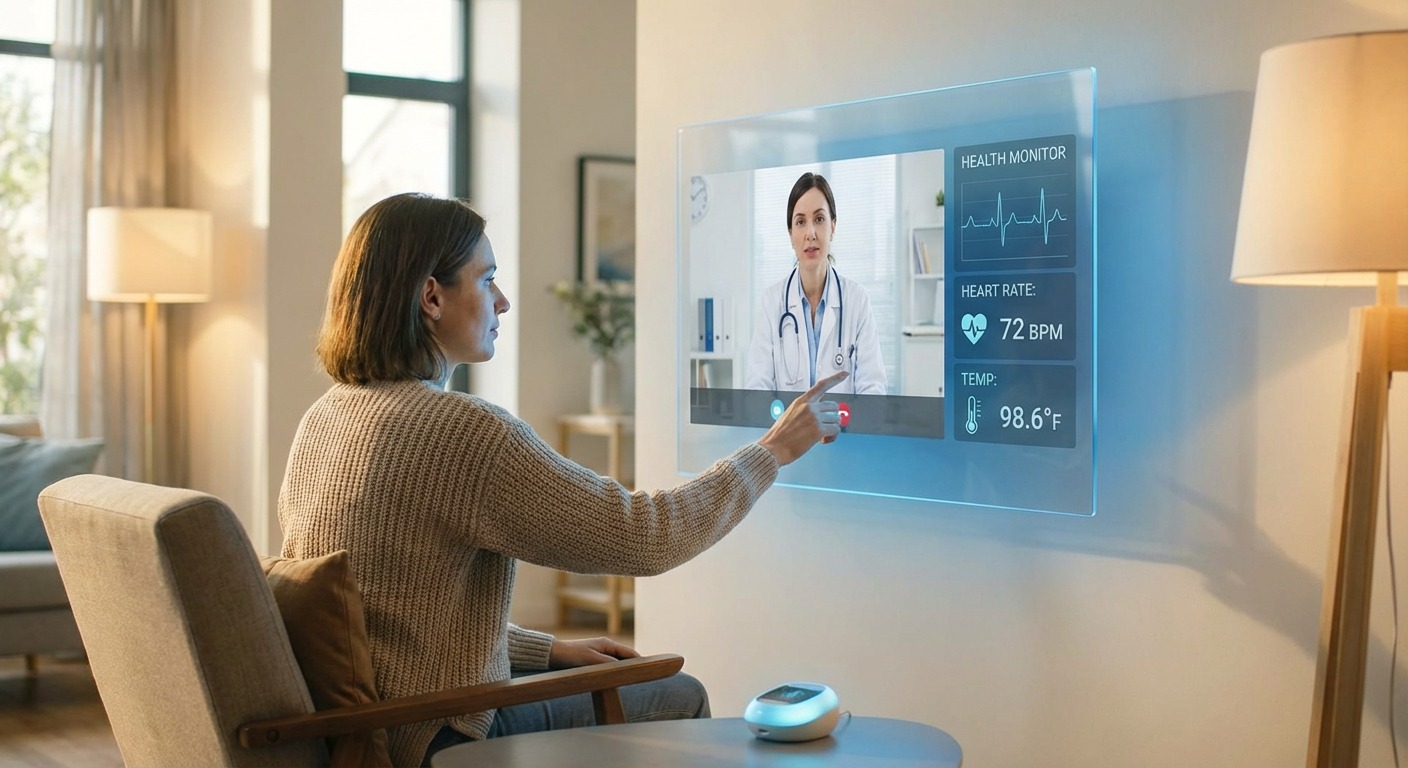
Gone are the days when patients endured long waits to see their doctors. Today's automation makes healthcare incredibly accessible-patients can schedule appointments anytime and receive diagnoses without hospital visits, which is truly remarkable. Automated communication systems, medicine refills, and appointment reminders keep patients actively engaged in their healthcare journey. Through automated reminder calls and readily available medical assistance, patient satisfaction levels soar, generating positive reviews and building trust in healthcare institutions.
Significant Cost Reduction
Automation in healthcare delivers substantial cost savings across multiple operational areas by streamlining processes and boosting efficiency. Hospitals save millions annually by automating billing and insurance claims, cutting errors while accelerating reimbursements. AI-powered scheduling systems and chatbots reduce administrative expenses while improving patient access to care. In clinical settings, laboratory automation and AI-driven diagnostics provide faster, more accurate results, reducing hospital stays and associated costs. Robotic-assisted surgeries enable shorter recovery times and fewer complications. Supply chain automation prevents costly overstocking and medication wastage, saving hundreds of thousands of dollars each year. Patient engagement also benefits tremendously-telehealth triage and automated reminders reduce unnecessary emergency room visits and hospital readmissions. Together, these examples demonstrate how automation delivers measurable financial savings while simultaneously enhancing the quality of patient care.
Take a Glance at Numbers of Automation in Healthcare
Healthcare automation isn't just theoretical-it's backed by impressive, data-driven growth. According to published data from Towards Healthcare, the automation budget in healthcare for 2025 stands at approximately $111 billion, which is remarkable by today's standards. This budget is projected to increase to $132 billion in 2026. Looking at the overall growth trajectory through 2035, the market is expected to reach approximately $645 billion-representing an impressive 19.24% compound annual growth rate. Remarkably, the 2035 annual budget allocation for healthcare automation will be six times larger than the 2025 budget.
Challenges to Be Faced for Automation in This Sector
Several significant challenges must be addressed when automating the healthcare sector, including managing patients' sensitive data, gaining trust and acceptance from both medical professionals and patients, updating outdated legacy systems, and navigating complex regulatory requirements
Protecting Patient's Sensitive Information
Patient health information (PHI) is highly sensitive, making data security an absolute priority. Automating healthcare processes requires implementing robust security measures and maintaining strict compliance with regulations like HIPAA and GDPR to prevent data breaches and cyberattacks that could compromise patient privacy.
Modernizing Outdated Systems
Many healthcare facilities continue to rely on aging, outdated software and IT infrastructure. These legacy systems often lack the standardized data formats or APIs necessary for seamless integration with modern automation and AI tools, creating significant barriers to technological advancement.
Building Trust and Acceptance Among Medical Professionals and Patients
Healthcare professionals may resist adopting new technologies due to concerns about job security, potential disruptions to well-established workflows, or insufficient understanding of how the technology works. Similarly, patients often express skepticism toward "black box" AI systems that lack transparency in their decision-making processes, preferring the human touch and personal connection that traditional care provides.
Real Life Examples of Automation in Healthcare
Numerous real-world examples showcase automation's transformative impact on healthcare, including robotic surgery, AI-powered diagnostics, automated appointment scheduling, and intelligent inventory management systems.
Robotic Surgery
Robot-assisted surgery represents one of the most promising developments in modern healthcare, with robots demonstrating exceptional precision and consistency. Surgical robots like the da Vinci system assist surgeons by providing enhanced precision, superior control, and improved visualization during minimally invasive procedures. This results in faster patient recovery times and significantly fewer postoperative complications.
AI-Powered Diagnostics
Advanced AI algorithms analyze vast quantities of medical images-including X-rays, MRIs, and CT scans-along with comprehensive patient data to detect anomalies, flag potential issues for radiologists, and assist physicians in making faster, more accurate diagnoses. This technology also enables the creation of personalized treatment plans tailored to each patient's unique needs.
Automated Appointment Scheduling
Modern automated systems empower patients to book, reschedule, and receive reminders for appointments online or via text message and email. This automation dramatically reduces no-show rates while freeing up staff from handling countless phone calls throughout the day.
Intelligent Inventory Management in Hospitals
Automated inventory systems track medical supplies, medications, and equipment levels in real-time, automatically reordering products before stockouts occur and optimizing resource allocation throughout the hospital. This ensures critical supplies are always available when needed.
What We Can Automate in Healthcare Sector
Healthcare automation opportunities are vast, encompassing patient appointment bookings, medical supply management, AI-driven diagnostics, remote patient monitoring, insurance verification, and much more.
Patient Appointment Bookings
Patients can now schedule doctor appointments through official hospital websites, dedicated healthcare software, or platforms like Google Meet and telemedicine services. Before automation, patients had to wait indefinitely for doctor availability, which proved problematic, especially in emergency situations.
Medical Supply Management
In the past, patients manually tracked medication supplies and maintained lists for refills-a process that worked but was far from ideal. Today's world has revolutionized this aspect of healthcare. Modern software includes automated reminder systems that alert patients when medication supplies run low, provide instructions on when and how to take medicines, enable convenient home delivery ordering, and even offer medication customization options for optimal therapeutic outcomes.
AI-Driven Diagnostics
Recent months have brought remarkable news stories about AI detecting patient conditions that physicians initially missed. AI systems have demonstrated the ability to recommend customized medication regimens that accelerate recovery, and in some cases, AI has successfully diagnosed medical problems simply by analyzing photographs of patient wounds or symptoms-a truly groundbreaking capability.
Automated Billings & Claims
Automated billing systems can connect directly to a healthcare provider's inventory and pricing databases, delivering bills instantly to patients' smartphones and eliminating long waits in billing queues. Furthermore, patients can process insurance claims remotely without visiting insurance offices in person, significantly streamlining the reimbursement process.
Future of Automation in Healthcare
The future of healthcare automation will be defined by the seamless integration of AI, the Internet of Medical Things (IoMT), and advanced robotics, creating a more efficient, personalized, and accessible healthcare ecosystem for everyone.
AI Integration
Generative AI for Healthcare Administration
Generative AI is increasingly automating clinical documentation, drafting comprehensive medical notes, and managing complex administrative tasks like prior authorization and billing processes. This reduces administrative overhead costs substantially while freeing clinicians to focus on direct patient care.
AI Automated Clinical Decision Support
AI and Machine Learning (ML) algorithms will become the standard "second opinion" in medical practice, analyzing enormous datasets, medical images (including MRIs, CT scans, and X-rays), and detailed patient histories to enhance diagnostic accuracy, predict disease progression, and recommend highly personalized treatment plans
Robotics for Advanced Medical Assistance
The future promises highly accurate robotic surgery with virtually zero error rates. Tomorrow's robots will provide comprehensive medical guidance and assistance, making healthcare more futuristic than ever imagined. We may even see fully autonomous ambulances-vehicles that drive themselves from any location directly to hospitals without human drivers, which represents a fascinating glimpse into healthcare's technological future.
Conclusion
In conclusion, the integration of AI and automation in the healthcare sector is truly impressive, despite the numerous challenges that must be overcome. The potential benefits are extraordinary, and if we can successfully address these obstacles, the results will be transformative. Automation is now approaching every field imaginable, marking the beginning of an exciting new phase in healthcare delivery and patient care.

Ys Patel
Technical Head – AI, Vaidrix Technologies
Ys is a deep tech specialist and AI-driven engineering leader with 5+ years of experience in AI development. He focuses on building intelligent systems, agentic workflows, and generative applications. As Technical Head – AI at Vaidrix Technologies, he leads the development of scalable AI solutions across industries from voice agents and RAG-based platforms to real-time automation bridging research innovation with real-world impact.


Ready to Transform Healthcare with Automation?
Let's discuss how automation and AI can revolutionize your healthcare operations.
Ready to Transform Healthcare with Automation?
Let's discuss how automation and AI can revolutionize your healthcare operations and improve patient outcomes.